In February 2026, IVAR and The Ubele Initiative had the pleasure of hosting an event to share the work of the third cohort of recipients of The Jane Hatfield Award, a grant for young researchers to support a piece of research on topics or issues related to community, and social action and/or social justice.
Following last year’s introduction of their research, the 2025 Award recipients designed and conducted the research and released reports that explore the experiences, barriers and opportunities of social action and social entrepreneurship for young people from Black and minoritised communities around the UK. Below you can find more information about their finished projects, links to further content and resources, and a recording of the online research showcase.
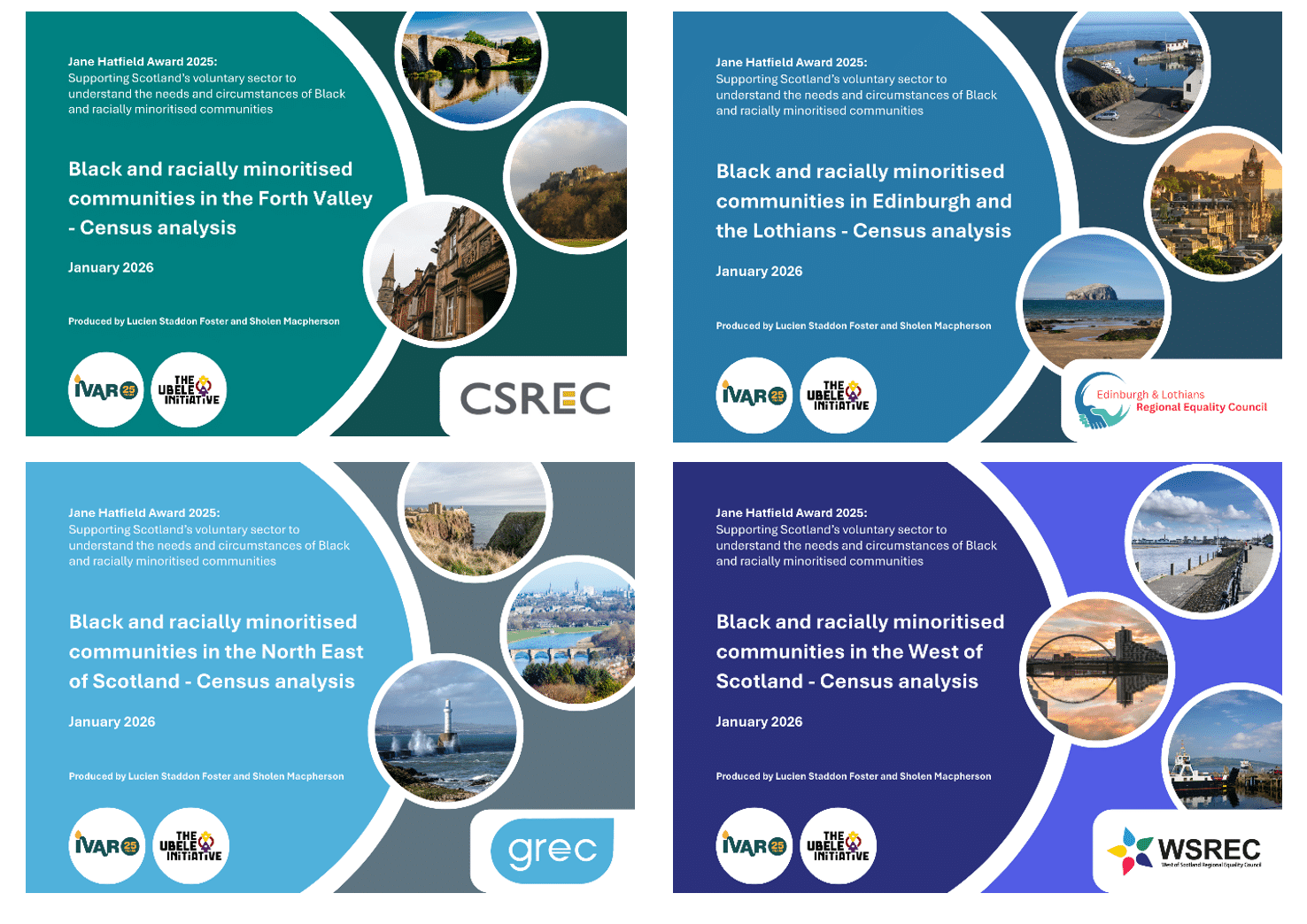
“We can’t get the funding because we can’t get the evidence” – Supporting the Scottish voluntary sector’s work with Black and racially minoritised communities
Across Scotland, voluntary organisations working with Black and racially minoritised communities are operating under immense pressure. They are expected to deliver vital services, respond to widening inequalities, and make the case for continued funding – yet they are doing so within a data landscape that is not built to recognise or represent the communities they serve. While these organisations hold deep knowledge of discrimination, exclusion and unmet need, their insights are too often dismissed because the statistical evidence required to “prove” their experiences simply does not exist or is inaccessible.
This project emerged in direct response to that challenge. It set out to understand how data gaps shape the work of equality-focused charities in Scotland, and to support them with tailored analysis from the 2022 Census. By working closely with regional equality councils, the project sought not only to uncover the systemic barriers created by poor-quality ethnicity data, but also to demonstrate what becomes possible when organisations are equipped with the evidence they need.
At its heart, this work speaks to a broader issue: the inequitable burden placed on Black and racially minoritised communities to repeatedly justify the realities they live every day. When official statistics fail to capture these realities, it becomes easier for funders and policymakers to overlook them – and harder for communities to have their experiences taken seriously. This project aims to challenge that dynamic by strengthening the evidence base, validating lived experience, and advocating for a more just and coherent approach to data in Scotland.
Through this research, Sholen Macpherson and Lucien Staddon Foster, share not only what they learned, but why improving Scotland’s ethnicity data – and empowering the organisations who rely on it – is essential to tackling structural inequality and ensuring that no community is rendered invisible in the systems meant to support them.

Sholen Macpherson
Sholen Macpherson is a researcher with a background in sociology and social policy. Based in Glasgow, she works for a Scottish anti-racism charity, where she uses quantitative and qualitative research methods to inform policy and practice. Sholen holds a postgraduate degree in Social Policy (Research Methods) from the University of Strathclyde and previously studied Sociology at the University of Glasgow.
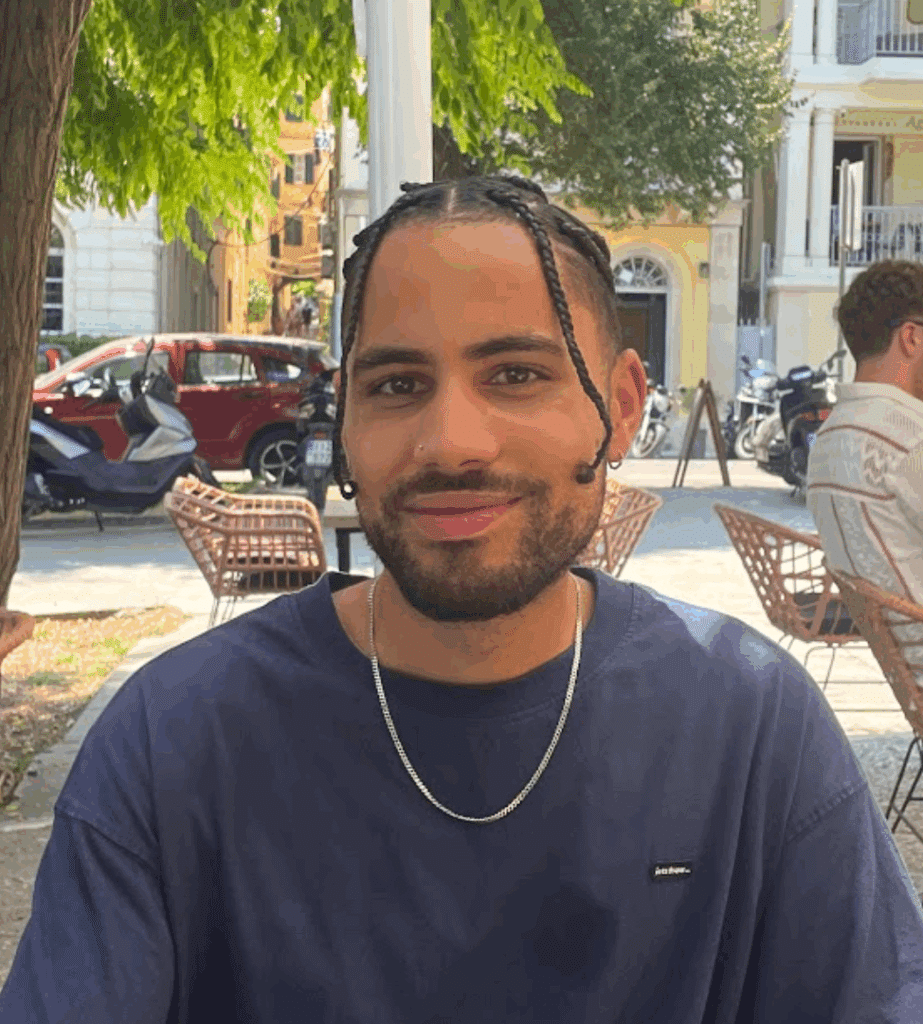
Lucien Staddon Foster
Lucien Staddon Foster is a race equality researcher with experience in data analysis, mapping structural inequalities, and supporting anti-racist policy development. He studied Geography at the University of Edinburgh and has previously worked with RACE.ED, a network focused on academic research around race and racism. Lucien is currently based in Glasgow, working in the voluntary sector to support evidence-informed approaches to equality.
Outside of the Jane Hatfield Award, which was completed independently, Lucien and Sholen work for the Coalition for Racial Equality and Rights (CRER) – a Scottish anti-racism charity based in Glasgow. Lucien and Sholen designed and delivered this project in their own time as early-career researchers within the remit of the Jane Hatfield Award, and their work on this is in no way affiliated with their roles and responsibilities with CRER. Unless stated otherwise, all opinions, reflections and contributions relating to this project are attributed to them as individuals.
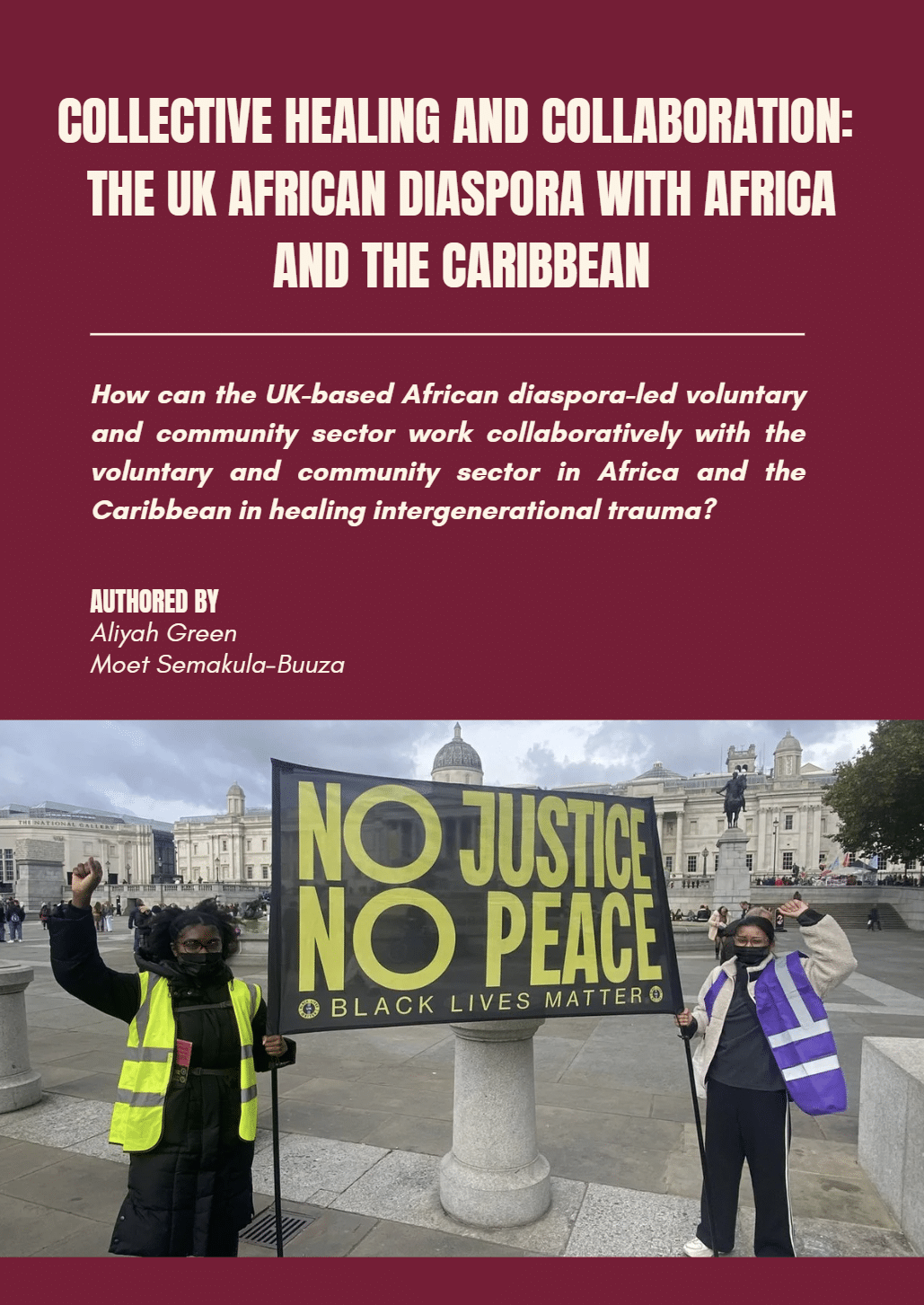
Collective Healing: The UK African Diaspora with Africa and the Caribbean
Across the African diaspora, the legacies of colonialism, slavery, displacement and racial injustice continue to shape daily life in ways that are often unspoken but deeply felt. These inherited harms – known as intergenerational trauma – show up in our bodies, our relationships, our communities and even in the land itself. Healing them requires more than services or policy shifts. It requires connection, imagination, solidarity and a reweaving of relationships that history has strained or severed.
Collective Healing: The UK African Diaspora with Africa and the Caribbean, takes on a question that is both powerful and long overdue:
How can the UK-based African diaspora-led voluntary and community sector work collaboratively with the voluntary and community sector in Africa and the Caribbean in healing intergenerational trauma?
In a world where systemic anti-Blackness continues to retraumatise communities, this research offers clarity, hope and direction. Drawing on interviews with practitioners across three regions, on-the-ground organising, and deep engagement with healing practices rooted in African and Afrodiasporic traditions, the project shines a light on what healing looks like, and what genuine, equitable collaboration requires.
It reveals not only the pain communities carry, but also the extraordinary creativity, resilience and leadership that already exist within African and Afro-descendant groups globally. It shows that while there are real barriers – from funding systems embedded in colonial logic to cultural differences and capacity constraints – there are also clear, actionable pathways to build relationships rooted in trust, shared values and collective liberation.
What makes this research especially important is that it centres the voices of young, Black, grassroots organisers who are already doing the work of healing through community care, political education, creativity and solidarity. Their insights remind us that healing and organising are not separate efforts; they nourish each other. And that repairing ties across the diaspora, Africa and the Caribbean is not just desirable, but necessary for our shared future.
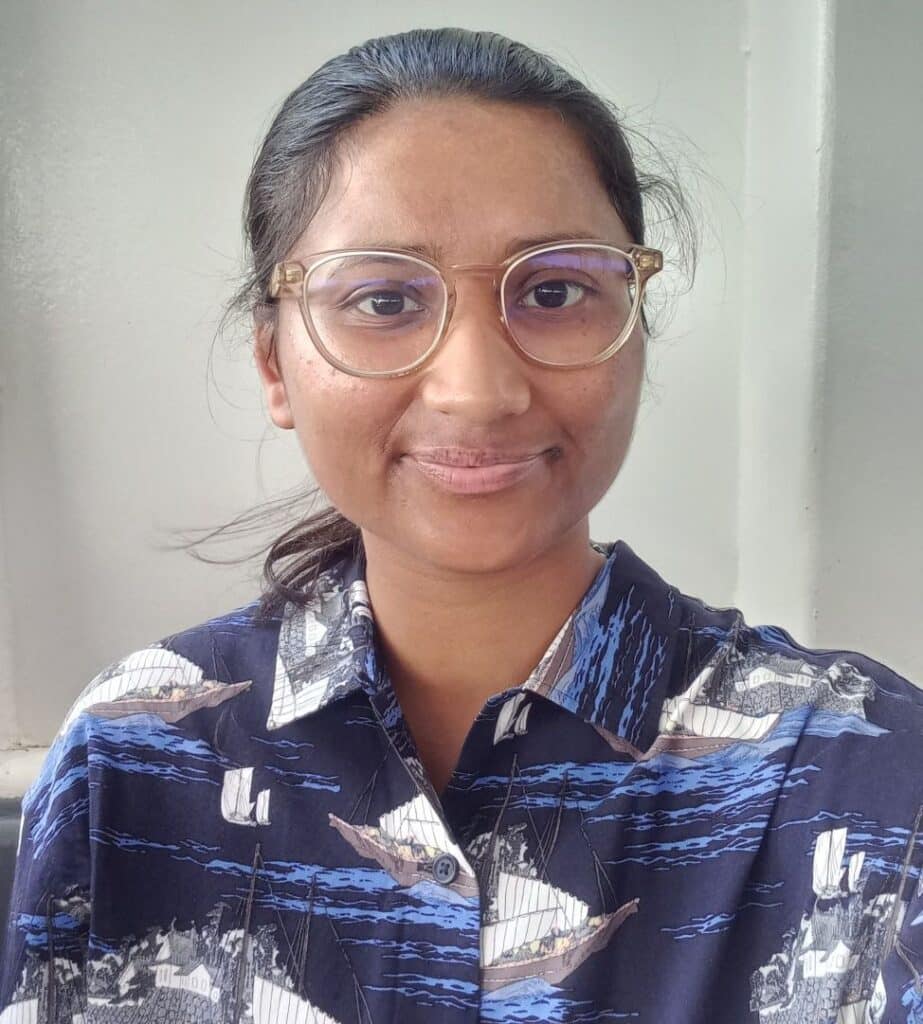
Moet Semakula-Buuza
Moet Semakula-Buuza is a facilitator and community organiser with experience in migration, race equity, and climate-related work. They currently work with Black Lives Matter UK on Project Timbuktu, an education programme exploring Black history and leadership. Moet also volunteers with Care4Calais, providing administrative and wellbeing support to individuals navigating the UK immigration system. They are involved in the Planet over Profit campaign with Friends of the Earth, where they produce creative materials exploring the global impacts of environmental extraction. In addition, Moet contributes to leadership development initiatives with Black grassroots leaders through the Nia Upeoni Black Systems Change and Leadership course.
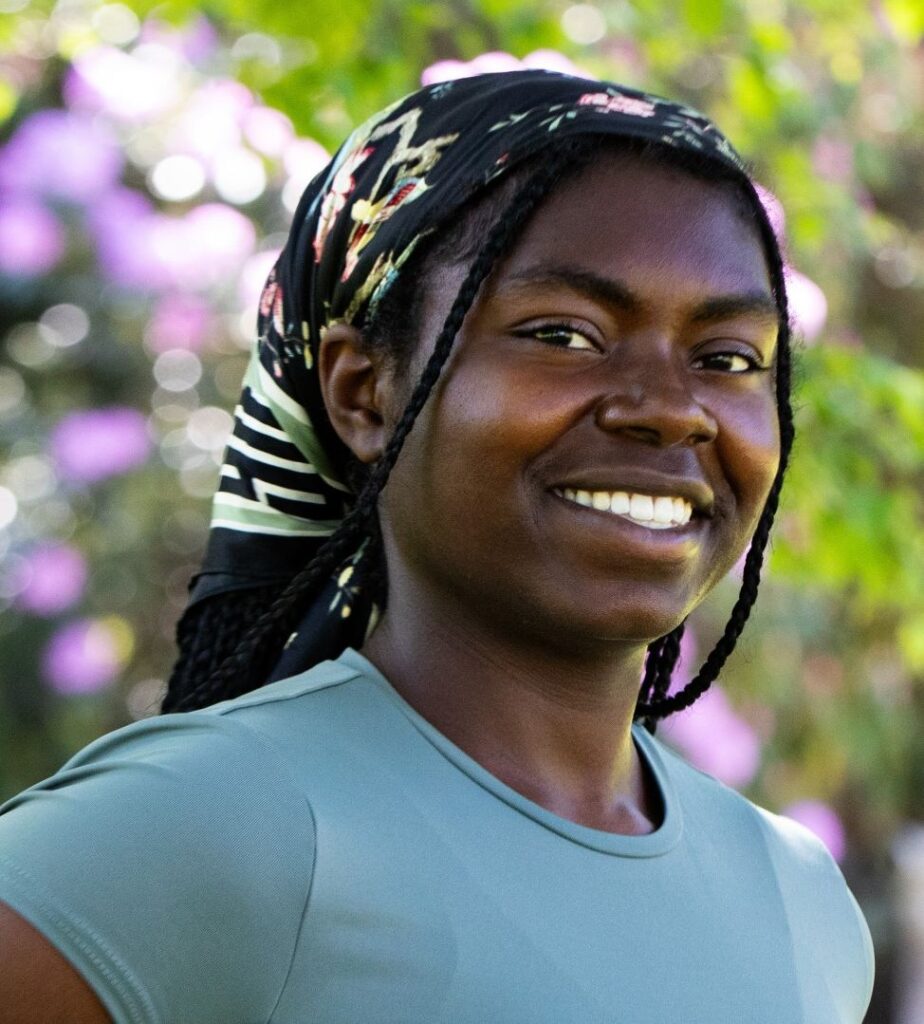
Aliyah Green
Aliyah Green is a facilitator and organiser working across racial and environmental justice spaces. She supports youth engagement through campaign training and political education programmes that promote systemic awareness and leadership development. She is the co-founder of It’s Just Economics, a learning initiative introducing young people to alternative economic thinking. Aliyah is involved in Friends of the Earth’s Planet over Profit campaign and Black Lives Matter’s Project Timbuktu. She works at the Environmental Funders Network and serves as a trustee at Debt Justice and The Equality Trust.
Watch on YouTube: [EMBED LINK]
Jane Hatfield Award Research
-
 Publication
Collective Healing: The UK African Diaspora with Africa and the Caribbean
Read more: Collective Healing: The UK African Diaspora with Africa and the CaribbeanAcross the African diaspora, the legacies of colonialism, slavery, displacement and racial injustice continue to shape…
-
 Publication
“We can’t get the funding because we can’t get the evidence” – Supporting the Scottish voluntary sector’s work with Black and racially minoritised communities
Read more: “We can’t get the funding because we can’t get the evidence” – Supporting the Scottish voluntary sector’s work with Black and racially minoritised communitiesAcross Scotland, voluntary organisations working with Black and racially minoritised communities are operating under immense pressure.…
-
 Publication
Exploring experiences and barriers in seeking mental health support among male asylum seekers in hotel accommodations
Read more: Exploring experiences and barriers in seeking mental health support among male asylum seekers in hotel accommodationsAsylum seekers are often traumatised people who have already faced trauma in their country…
-
 Publication
“Let My Candle Shine” – Young Black Women Navigating the UK Voluntary Sector
Read more: “Let My Candle Shine” – Young Black Women Navigating the UK Voluntary SectorWorking in the voluntary sector poses challenges for everyone; it is a demanding path…
-
 Publication
Barrier after barrier
Read more: Barrier after barrier‘A report to understand and critically disseminate the barriers that racially marginalised young people…
-
 Publication
Social entrepreneurship as a reintegrative solution for ex-prison residents
Read more: Social entrepreneurship as a reintegrative solution for ex-prison residentsCan social entrepreneurship opportunities act as a viable avenue for 18 – 24 year…