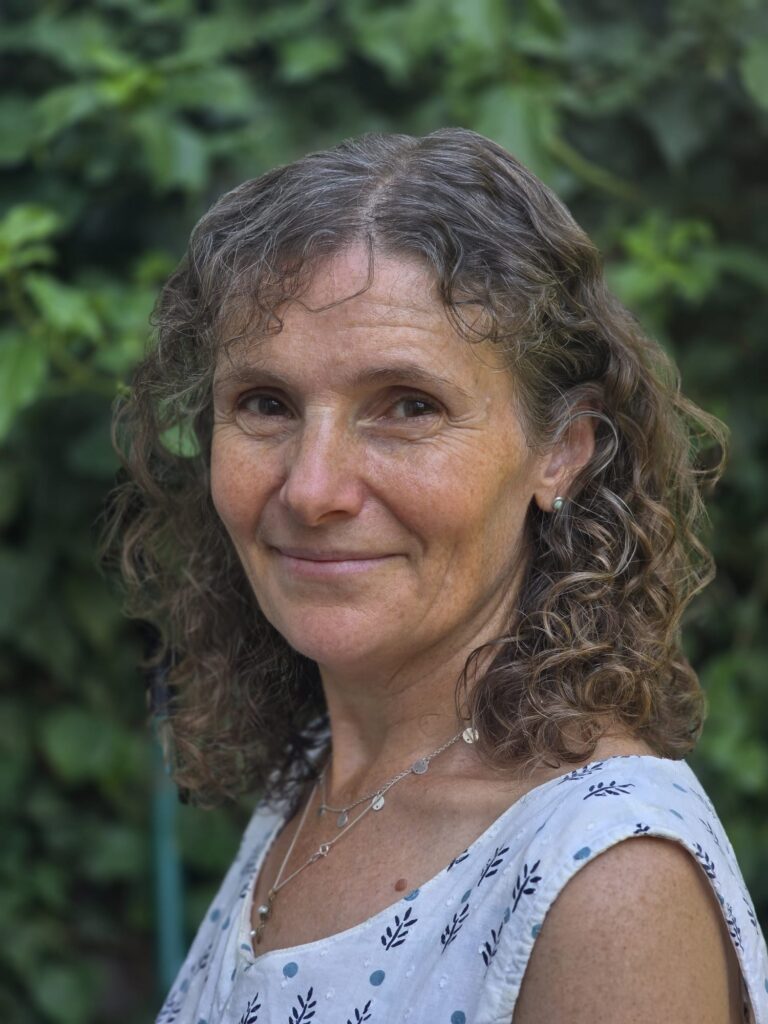
Helen Kersley is the Head of Programme and Engagement – Open and Trusting, a newly created role providing strategic leadership for the Open and Trusting programme.
In her first blog, Helen reflects on the role of equity, power and culture in grant-making and shares her vision for how Open and Trusting can help shape the future of funding.
The matter of “how” grants are made and managed, not just “what” gets funded has been at the centre of my mind since I started in grant-making a decade ago. Not coincidentally, it’s also at the heart of Open and Trusting.
The Open and Trusting community now numbers 195 grant-making organisations, with new signatories joining every month. The expanding network is testament to the space that Open and Trusting is helping to fill, meeting a need for a clear, independent, evidence-based framework to guide grant-making.
The creation of a dedicated role to lead Open and Trusting reflects IVAR’s passion and determination for the work and I feel incredibly fortunate to be part of it. I am looking forward to finding and welcoming new participants, spreading Open and Trusting further and wider, and working with colleagues on progressing ambitious strands of work including taking risk, flexible funding and applying Open and Trusting to public agencies.
I am equally keen to see how we might break further new ground. This could include asking deeper questions such as:
- What could it look like for funders to be fully active and more equal partners in the ecosystems they support?
- Where and when do practices deepen into organisational values and culture?
- How can and should funders prepare for different possible futures?
One player among many
When I began in grant-making I quickly learned two basic truths. On one hand, the principal way to achieve our mission and objectives was through the work of those we funded. On the other, the partnership wasn’t equal because of the fundamental nature and power of money.
Beyond ways of enhancing the direct, bilateral funder/grantee relationship, there is a fascinating question about how grant-makers can more fully integrate as partners in the whole ecosystem of work they care about and strive for. A blog by consultancy FSG points out this requires a multilateral open and trusting approach to a funder’s place in the landscape of work, where by applying these principles across a wider ecosystem of stakeholders, funders can redefine their role in advancing systems change: “Instead of seeing themselves as the central focus, funders become one component of a larger ecosystem.”
there is a fascinating question about how grant-makers can more fully integrate as partners in the whole ecosystem of work they care about and strive for.”
I have often thought of funders as infrastructure organisations, holding a unique space to strengthen civil society at large, almost like Funder-Plus-Plus. For example, funders have the privilege of drawing in a lot of information and learning (eg: by scoping the terrain for organisations they wish to support, and from grant reports they receive). I believe they could make more use of their repositories of knowledge to join dots, share openly and feed back across the sector. An annual report to all grantees could be a starting place, or funders joining more readily with partners to use their collective influence in policy and advocacy work.
Culture as key to equity
In her recent blog, Shaady Salehi from Trust Based Philanthropy, a key partner to Open and Trusting, uses an iceberg metaphor to represent how funding practices are the visible part of grant-making. The much larger, submerged body of the iceberg includes the norms, incentives, values and perspectives which is “where real transformation happens” for funders and consequently those they support.

Nowhere is this more relevant than when it comes to questions of equity. Our report, Who Benefits? Equity and Power in Funding Systems, found real alignment between what by-and-for organisations say they need and what Open and Trusting already asks of funders – but also gaps: equity currently runs as a golden thread through the eight commitments rather than being named outright, and the harder question remains how to change who funding reaches. Our next step is to work directly with by-and-for organisations and funders to test that question and build practical resources together.
to be fully and naturally integrated into grant-making, the pursuit of equity has to become part of the DNA of an organisation.”
I feel sure that to be fully and naturally integrated into grant-making, the pursuit of equity has to become part of the DNA of an organisation. This is something that can’t be achieved just by a process or by policies, quotes or carefully drafted public statements. It’s here that a community like Open and Trusting might have a real role to play – supporting the sectors’ most experienced voices, like The Ubele Initiative, to provide the knowledge and means for funders’ to embrace equity within their work..
Preparing for the future
At this time when civil society faces challenges from rising costs and more competition for funding, to uncertainty around the protection of rights, vigilance is going to be keenly required. At The Roddick Foundation we funded in the US and encountered the impact of the Trump administration’s policies and tactics on NGOs and funders. We heard from some that funders didn’t prepare even though potential upcoming risks were clearly discernible. In the UK we have the opportunity to prepare in case such risks become reality. Whatever the future brings preparation may pay dividends, in fostering dialogue, collaboration and furthering Open and Trusting as a positive collective endeavour to ensure charities are enabled and strengthened to support and deliver for their communities.
I was heartened and uplifted by A recent Why Philanthropy Matters piece highlights currencies other than money which funders have at their disposal. One is hope:
Philanthropy is often a reflection of hope, because it stems from a belief that the world can be made better. But just as importantly, philanthropy can be a powerful tool for creating and sharing hope… anything that can bring people optimism and give them a sense of purpose and agency is so important. And this is a role that philanthropy can and should play.
To close, I’m keen for anyone involved in or interested in Open and Trusting to get in touch with me directly for a conversation. I am looking forward to working with all in the Open and Trusting community and seeing where we can go together on this hopeful journey.